
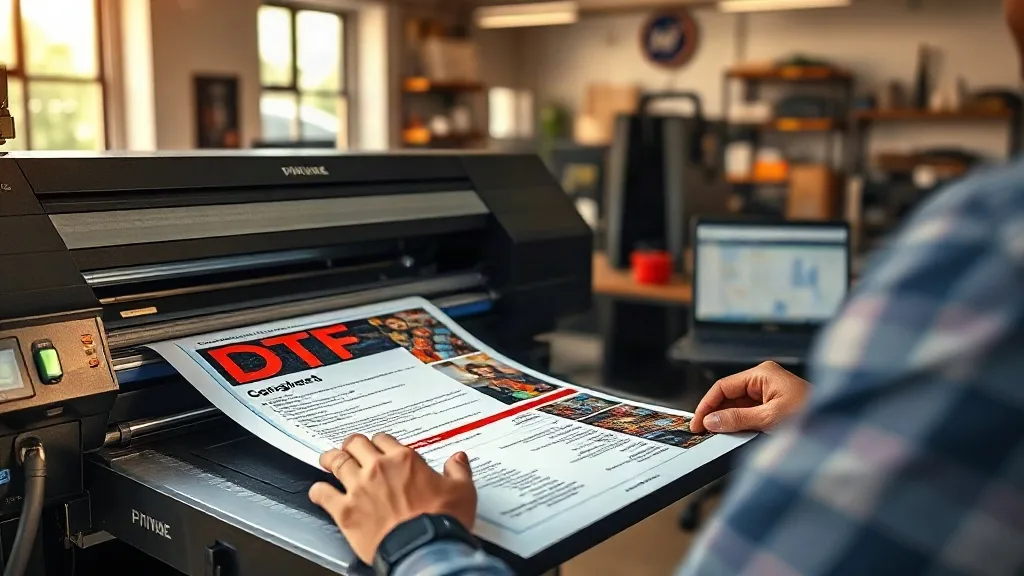
You have mastered the art of building a DTF Gangsheet, but when it comes to pricing, do you feel like you are shooting in the dark? You are not alone. Many print shop owners and side hustlers struggle to set prices that are both competitive and profitable. The truth is, pricing a gangsheet is not just about covering ink and film; it is about valuing your time, your expertise, and the value you deliver to your customers. In this guide, we will break down the components of a profitable gangsheet price, show you how to calculate your costs accurately, and share strategies to position your gangsheets as a premium product. By the end, you will have a clear framework to price with confidence and grow your business sustainably.
Why Gangsheet Pricing Is Different
Unlike individual DTF transfers, a gangsheet is a collection of designs printed on a single sheet of film. This efficiency is the core of its appeal: you can maximize film usage, reduce waste, and offer small batches without high setup costs. However, this efficiency also means that your pricing should reflect the value of that consolidated service. Customers are not just paying for ink and film; they are paying for the convenience of having multiple designs ready to press in one go. If you price a gangsheet as if it were just a sum of individual transfers, you risk undervaluing the time and resource optimization you provide.
The True Cost of a DTF Gangsheet
Before you can set a price, you need to know exactly what each gangsheet costs you to produce. Many beginners forget to include all the variables, leading to thin margins or even losses. Let us break down the costs into direct and indirect categories.
Direct Costs
- Film and powder: The physical materials. Calculate the cost per square inch or per sheet, and factor in any waste from misprints or testing.
- Ink: DTF ink is not cheap, and color-heavy designs use more. Estimate ink usage based on the average coverage of your designs.
- Labor: Time spent preparing files, nesting, printing, powdering, curing, and packaging. Even if you do it yourself, your time has value.
- Equipment depreciation: Your printer, shaker, and heat press wear out over time. Set aside a small amount per sheet to cover maintenance and eventual replacement.
Indirect Costs
- Software and subscriptions: RIP software, design tools, and gangsheet builders often come with monthly fees.
- Overhead: Rent, electricity, internet, and other fixed costs. Allocate a portion to each gangsheet based on your production volume.
- Packaging and shipping supplies: Boxes, tape, and protective materials add up.
- Payment processing fees: If you accept credit cards or use payment platforms, factor in those percentages.
Once you have totaled these costs, divide by the number of gangsheets you produce in a typical month to get a per-sheet cost. This is your break-even point before profit.
Pricing Models for Gangsheets
There is no one-size-fits-all pricing model, but here are three common approaches that work well for DTF gangsheets. Choose the one that aligns with your business goals and customer base.
Per Square Inch Pricing
This is the most straightforward method. You set a rate per square inch of printed area, and the customer pays based on the total size of their gangsheet. For example, if your rate is $0.05 per square inch, a 22x60 inch gangsheet (1320 square inches) would cost $66. This model is easy to understand and scales with the customer's usage. It also encourages customers to optimize their layouts to save money, which aligns with the efficiency of gangsheets.
Per Design or Per Transfer Pricing
Some shops price gangsheets based on the number of designs or transfers on the sheet. For instance, $2 per design with a minimum order. This can be appealing for customers who want many small designs. However, it requires you to estimate average design size to ensure profitability. Be careful: if customers pack many tiny designs, your labor for weeding and handling may increase, so set a minimum size or a base fee.
Tiered Pricing
Offer different rates based on order size or complexity. For example, a standard gangsheet up to 22x60 inches might be $70, while a larger sheet or one with intricate designs could be $90. Tiered pricing allows you to accommodate different customer needs while protecting your margins on more challenging jobs.
Beyond Cost: Adding Value and Profit Margin
Your costs are just the foundation. To build a profitable business, you need to add a profit margin that reflects the value you provide. Consider the following:
- Convenience: Your customers save time by ordering a gangsheet instead of multiple individual transfers. That convenience has a premium.
- Expertise: Your knowledge of file prep, color management, and nesting ensures flawless prints. Charge for that expertise.
- Speed: If you offer fast turnaround, you can justify higher prices.
- Brand reputation: As you build a reputation for quality and reliability, you can gradually increase prices.
A common mistake is to compete solely on price. Instead, compete on quality and service. Customers who value their time and want flawless results are willing to pay more for a gangsheet that is done right the first time.
Common Pricing Mistakes to Avoid
Even experienced shop owners fall into these traps. Steer clear of them to protect your profits.
- Forgetting to pay yourself: Your labor is a cost. If you do not include it, you are essentially working for free.
- Underestimating waste: Misprints, test prints, and customer errors happen. Build a waste factor into your pricing, typically 5-10%.
- Ignoring competition but also ignoring value: Do not blindly match the lowest price in the market. Instead, understand why some competitors charge more and what value they offer.
- Not updating prices regularly: Material costs fluctuate. Review your pricing quarterly and adjust as needed.
- Offering discounts without a plan: Discounts can attract customers, but they should be strategic, not a race to the bottom.
How to Communicate Your Pricing
Once you have set your prices, present them clearly and confidently. Use a pricing page that explains what is included, such as file setup, color matching, and packaging. Offer examples of gangsheets with different sizes and designs to help customers understand the value. When customers question the price, be ready to explain the quality of your materials, the precision of your process, and the time you save them. Transparency builds trust, and trust leads to repeat business.
Frequently Asked Questions
How do I calculate the cost per square inch for a DTF gangsheet?
Start by adding up all direct and indirect costs for a typical month. Divide that total by the number of square inches you print in that month. This gives you your cost per square inch. Then add your desired profit margin to determine your price per square inch. Remember to include labor and overhead in your costs.
Should I charge extra for complex designs on a gangsheet?
It depends on your pricing model. If you use per-square-inch pricing, complexity is already factored in because larger or more detailed designs take up more space. However, if you use per-design pricing, consider adding a surcharge for designs that require extra time, such as those with many small elements or intricate details.
What is a reasonable profit margin for DTF gangsheets?
Profit margins vary by business size and market, but a common target for small print shops is 30-50% gross margin. This means if your costs are $50, you should price the gangsheet at $65-$75. However, do not sacrifice quality or customer service to hit a margin; instead, focus on efficiency and value.
How often should I review my gangsheet pricing?
Review your pricing at least quarterly, or whenever material costs change significantly. Keep an eye on ink and film prices, and adjust as needed. Also, consider reviewing your prices when you upgrade equipment or change your process, as these can affect your costs and the value you deliver.
Can I offer discounts for bulk gangsheet orders?
Yes, bulk discounts can encourage larger orders and improve customer loyalty. However, ensure that your discounted price still covers your costs and a reasonable profit. A tiered discount structure, such as 5% off for orders over $200 and 10% off for orders over $500, can be effective without eroding your margins.