
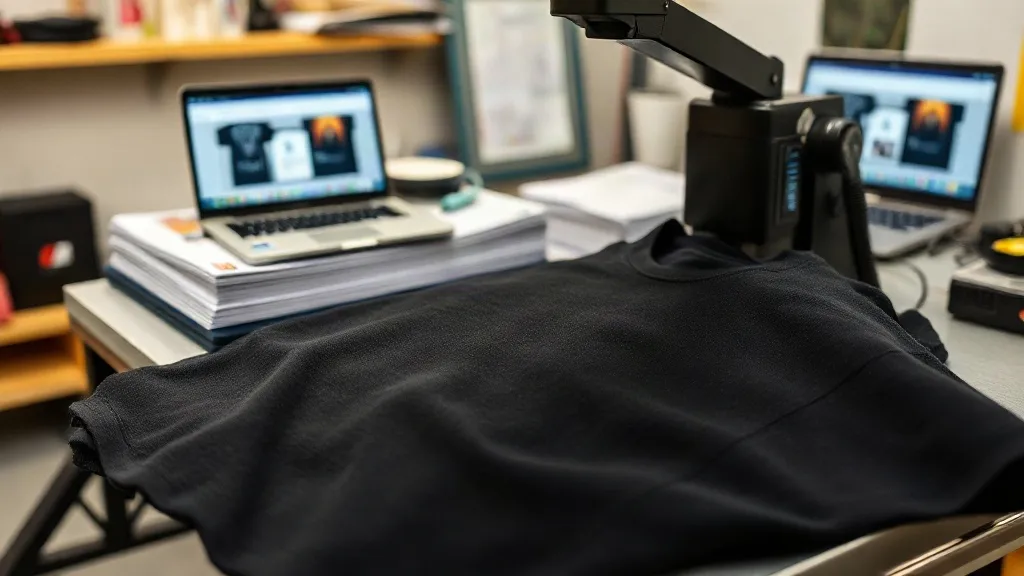
Printing on shaka wear blanks with DTF transfers can feel like a puzzle if you're new to the combination. These garments are popular for their soft feel and streetwear appeal, but they behave differently under a heat press than standard tees. In this guide, we'll walk through the key factors that affect DTF print quality on Shaka Wear, from fabric composition to press settings, so you can achieve consistent, durable results every time.
Why Shaka Wear Blanks Are a Favorite for DTF Printing
Shaka Wear has built a reputation for quality blanks that cater to the streetwear and urban fashion scene. Their tees and hoodies often feature a heavier cotton or cotton-poly blend, which provides a substantial canvas for DTF transfers. The fabric's tight knit helps the adhesive powder bond evenly, reducing the risk of premature peeling. However, the same characteristics that make Shaka Wear appealing also require specific handling.
Many printers appreciate that Shaka Wear blanks hold their shape after multiple washes, which is crucial for DTF prints that need to withstand wear. But if you don't account for the fabric's weight and texture, you might run into issues like uneven curing or poor adhesion. Understanding the material is the first step to mastering DTF on these garments.
Preparing Shaka Wear Blanks for DTF Transfers
Proper preparation is non-negotiable for DTF printing. Shaka Wear blanks often come with a factory finish that can interfere with adhesion. Pre-pressing each garment for a few seconds before applying the transfer removes moisture and wrinkles, creating a smooth surface. Use a heat press set to 330°F (165°C) and apply medium pressure for 5-7 seconds. This step also helps shrink the fabric slightly, preventing post-print distortion.
Another critical factor is fabric softness. Some Shaka Wear styles have a brushed interior or a soft-hand finish. While these feel great, they can make the surface more challenging for the transfer to grip. In such cases, a slightly longer pre-press (up to 10 seconds) can help flatten the fibers. Always test on a scrap piece if you're unsure.
Heat Press Settings for Shaka Wear
Shaka Wear garments vary in weight and blend, so a one-size-fits-all approach won't work. Here are general guidelines to start with, but always adjust based on your specific press and fabric:
- Temperature: 320°F to 340°F (160°C to 170°C). For heavier fabrics like hoodies, lean toward the higher end; for lighter tees, use the lower end to avoid scorching.
- Pressure: Medium to firm. You want the transfer to make full contact without crushing the fabric's texture.
- Time: 10-15 seconds for the press, followed by a cold peel (or hot peel depending on your transfer film). Shaka Wear's dense weave may require a few extra seconds to ensure the adhesive fully penetrates.
Always use a Teflon sheet or parchment paper between the transfer and the press to protect the print. After pressing, peel the film while it's still warm for a matte finish, or let it cool completely for a glossier look. The choice depends on the film you're using and the desired effect.
Common DTF Issues on Shaka Wear and How to Fix Them
Poor Adhesion
If the transfer peels after washing, it's likely due to insufficient pressure or incomplete curing. Increase pressure slightly and extend the press time by 2-3 seconds. Also, ensure the garment is completely dry before pressing; any moisture can prevent proper bonding.
Uneven Curing
Shaka Wear's heavier fabrics can create heat shadows if the press isn't level. Check your press's platen for even pressure distribution. Rotating the garment halfway through pressing can also help.
Color Fading
DTF prints on dark Shaka Wear blanks may appear muted if the white ink layer isn't thick enough. Use a transfer with a high-opacity white base, and avoid over-pressing, which can cause the ink to spread and lose vibrancy.
Designing for Shaka Wear: Best Practices
When creating designs for Shaka Wear, keep the fabric's texture in mind. Large solid areas of ink can feel stiff on lighter fabrics, so consider incorporating halftones or distressed effects for a softer hand. For heavyweight garments, bold graphics work well because the fabric can support the ink weight without sagging.
Also, think about the garment's color. Shaka Wear offers a range of shades, from classic black to earthy tones. On darker colors, a white underbase is essential for vibrant prints. On lighter colors, you can skip the underbase for a more breathable feel, but test to ensure the colors pop.
Streamlining Your DTF Workflow with Gangsheets
If you're printing multiple Shaka Wear items, using a DTF Gangsheet Builder can save time and reduce waste. This tool lets you arrange multiple designs on a single sheet, maximizing your transfer film usage. When preparing a gangsheet for Shaka Wear, group similar fabrics together to avoid constant press adjustments. For example, print all the lightweight tees on one sheet and the hoodies on another.
Remember to include crop marks and allow for slight size variations. Shaka Wear's sizing is generally consistent, but it's always smart to leave a little wiggle room. The DTF Gangsheet Builder makes it easy to nest designs efficiently, so you can produce more in less time.
DTF on Shaka Wear: Frequently Asked Questions
Can I use DTF transfers on all Shaka Wear fabrics?
Yes, DTF works on cotton, poly blends, and even some synthetics. However, for 100% polyester Shaka Wear items, lower the press temperature to around 300°F to prevent dye migration. Always test a small area first.
How do I prevent the transfer from sticking to the press?
Use a Teflon sheet or parchment paper over the transfer. Also, ensure the transfer film is properly cooled before peeling if you're using a cold-peel film. For hot-peel, peel immediately after pressing.
What's the best way to wash Shaka Wear with DTF prints?
Turn the garment inside out and machine wash cold. Avoid bleach and fabric softeners. Tumble dry low or hang dry. Following these care instructions will extend the life of the print.
Why does my DTF print look cracked after washing?
Cracking usually indicates under-curing or insufficient pressure. Re-evaluate your press settings and ensure the transfer is fully bonded. Also, check that the garment wasn't stretched during pressing.
Can I layer DTF transfers on Shaka Wear?
Layering is possible but tricky. Press the first transfer, then apply the second on top, using a slightly lower temperature and shorter time to avoid disturbing the base layer. It's best to design your artwork to avoid layering if possible.
Mastering DTF printing on Shaka Wear blanks comes down to understanding the fabric and dialing in your process. With the right prep, press settings, and a bit of experimentation, you'll be producing flawless prints that your customers will love. And when you're ready to scale up, the DTF Gangsheet Builder is there to help you work smarter, not harder.