
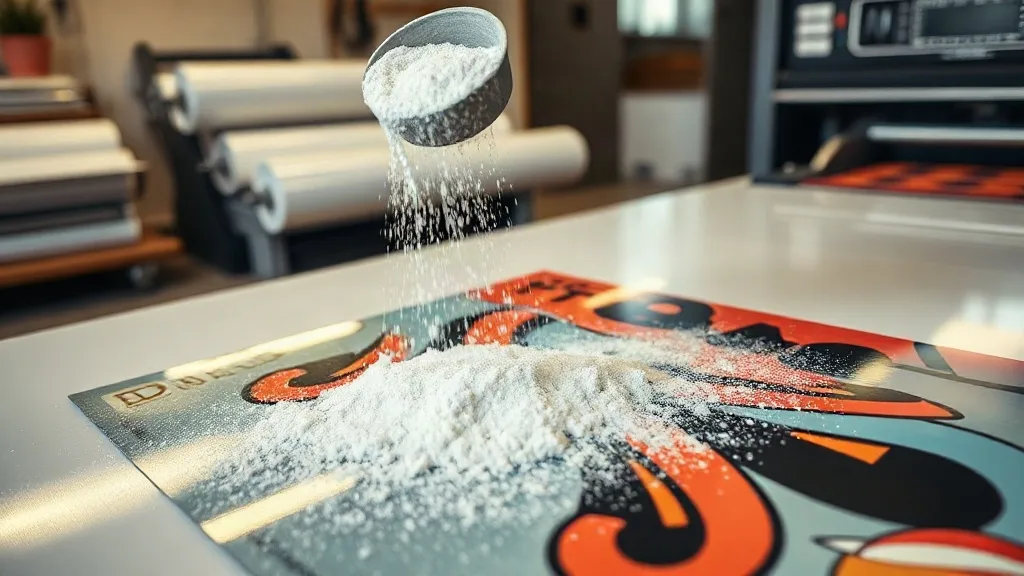
You've dialed in your printer, your film, and your press settings, yet some prints still crack, peel, or feel stiff as cardboard. The culprit often hides in plain sight: the adhesive powder. It's the component most dtf shops treat as an afterthought, but it dictates stretch, wash durability, and hand feel more than any other variable. In this guide, we'll unpack everything you need to know about choosing and using adhesive powder for dtf transfers, so you can stop guessing and start producing prints that keep customers coming back.
Why Adhesive Powder Deserves Your Attention
Adhesive powder, sometimes called hot-melt powder, is sprinkled onto the wet ink before curing. When heated, it melts and fuses with the ink, creating a bond that activates again during the transfer press. Without it, your design would simply sit on the film and flake off on the garment. The powder's chemistry determines how well the print stretches, how it feels, and how it holds up after dozens of washes. Yet many operators buy whatever is cheapest or most convenient, then wonder why their prints fail.
The truth is, powder isn't a commodity. Different formulations behave differently on various fabrics, and the wrong choice can sabotage even a perfect print. In the following sections, we'll break down the types of powder, how to apply them correctly, and how to troubleshoot common issues. By the end, you'll have a clear framework for selecting the right powder for every job.
The Main Types of Adhesive Powder
Not all powders are created equal. The three most common types you'll encounter are TPU (thermoplastic polyurethane), PA (polyamide), and polyester-based powders. Each has distinct characteristics that make it suitable for specific applications.
TPU Powder: The All-Rounder
TPU powder is the most widely used in DTF because it offers an excellent balance of stretch, softness, and durability. It adheres well to cotton, polyester, and blends, and it's known for a soft hand feel. TPU is also relatively forgiving during application, making it a good choice for shops that handle a variety of fabrics. However, not all TPU powders are equal: particle size and melting point can vary, affecting how they perform on high-stretch garments or during high-temperature washes.
PA Powder: For High-Stretch Fabrics
Polyamide (PA) powder excels on stretchy materials like spandex and elastane blends. It has a lower melting point and forms a more flexible bond, which allows the print to move with the fabric without cracking. PA powder is often used for sportswear and activewear. The trade-off is that it can feel slightly stiffer than TPU and may require more precise temperature control during curing.
Polyester Powder: Budget-Friendly but Limited
Polyester powder is typically the most economical option. It works well on polyester fabrics and provides good wash durability, but it's less flexible and can feel harsher on the skin. It's a decent choice for promotional items or where cost is the primary concern, but for premium apparel, you'll want to look at TPU or PA.
How to Apply Adhesive Powder Correctly
Even the best powder will fail if applied incorrectly. Here's a step-by-step breakdown of the application process, with tips to avoid common mistakes.
1. Prepare the Printed Film
After printing, the ink must still be wet for the powder to stick. If you're using a printer with a built-in powder shaker, this is handled automatically. For manual application, work quickly before the ink dries. Ensure the film is flat and free of dust; any debris will prevent proper adhesion.
2. Apply the Powder Evenly
Use a sieve or a powder shaker to distribute a thin, even layer over the entire design. You want complete coverage without excess. Too little powder means weak adhesion; too much leads to a stiff, crusty feel and can cause curing issues. Gently rock the film to spread the powder, then shake off the excess. A good rule of thumb: the design should look matte, with no shiny wet spots.
3. Cure the Powder
Curing melts the powder particles into a continuous film. The ideal temperature and time depend on the powder type, but typically it's around 160-170°C (320-340°F) for 2-3 minutes. Overcuring can make the print brittle; undercuring leaves loose powder that will clog your press and ruin the transfer. Use a infrared thermometer to verify the actual temperature, as press displays can be inaccurate.
4. Cool and Store
Allow the cured film to cool completely before stacking or storing. Properly cured powder should be dry to the touch and not tacky. Store films in a cool, dry place away from direct sunlight to prevent premature degradation.
Common Powder-Related Problems and Fixes
Even experienced operators run into issues. Here are a few frequent culprits and how to solve them.
- Print peels after wash: Likely insufficient powder or undercuring. Increase powder coverage slightly and verify curing temperature and time.
- Stiff, rubbery hand feel: Too much powder or overcuring. Reduce powder application and check that your curing settings match the powder manufacturer's recommendations.
- Powder not sticking to ink: Ink may be too dry. Ensure you apply powder immediately after printing, or check that your printer's ink limits are set correctly.
- Clogged press or messy workspace: Excess powder not shaken off. Always shake off loose powder before curing.
If you're sourcing dtf transfers near me, ask your supplier about the powder they use. A reputable supplier will be transparent about their materials and can advise on compatibility with your fabrics.
Matching Powder to Fabric: A Quick Reference
Choosing the right powder for the fabric is crucial for optimal results. Here's a quick guide:
- 100% Cotton: TPU or polyester powder works well. TPU offers a softer feel.
- Cotton/Poly Blends: TPU is ideal for its balance of stretch and durability.
- Polyester: Polyester powder or TPU. For high-stretch polyester, consider PA.
- Spandex/Elastane: PA powder for maximum flexibility.
- Nylon: TPU or PA, depending on stretch requirements.
Keep in mind that fabric weave and weight also play a role. Heavier fabrics like canvas may require more powder for adequate coverage, while lightweight fabrics need a lighter touch to avoid stiffness.
Storing and Handling Powder Safely
Adhesive powder is sensitive to moisture and contaminants. Store it in an airtight container in a cool, dry place. Humidity can cause clumping, which leads to uneven application. Always use a clean scoop and avoid cross-contaminating different powder types. If you notice clumps, sift the powder before use. Also, wear a mask when handling powder to avoid inhaling fine particles; safety first.
Frequently Asked Questions
Can I use the same adhesive powder for all fabrics?
While TPU powder is versatile, it's not optimal for every fabric. High-stretch fabrics like spandex benefit from PA powder, while polyester fabrics may work better with polyester powder. Matching powder to fabric ensures the best durability and feel.
How can I tell if my powder is fully cured?
Fully cured powder appears dry and matte, with no tackiness. If you touch it and it feels sticky or leaves residue, it needs more curing time. Also, check that the powder has melted into a continuous film; visible particles indicate undercuring.
What's the shelf life of adhesive powder?
When stored properly in an airtight container away from moisture and heat, adhesive powder can last up to 12 months. Always check for clumping or discoloration before use.
Why does my print feel stiff after using powder?
Stiffness usually comes from applying too much powder or overcuring. Use a thin, even layer and shake off excess powder before curing. Also, ensure your curing temperature and time are within the powder's specifications.
Can I mix different types of powder?
It's not recommended. Mixing powders with different melting points and chemistries can lead to inconsistent curing and poor adhesion. Stick to one type per project for predictable results.
Choosing the right adhesive powder might seem like a small detail, but it's a cornerstone of professional dtf production. By understanding the types, applying them correctly, and troubleshooting issues, you'll elevate the quality of your prints and build a reputation for reliability. Whether you're a seasoned shop owner or just starting out, investing time in mastering powder will pay off in happier customers and fewer reprints.