
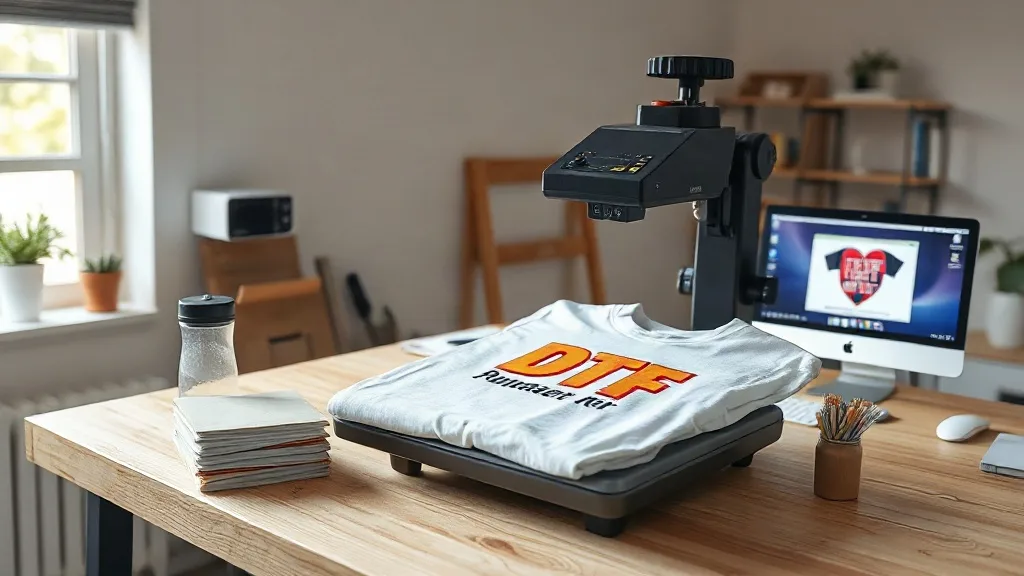
If you've been exploring custom apparel printing, you've likely encountered dtf transfers. This innovative technology is changing how small businesses and hobbyists approach fabric printing. Unlike traditional methods that require specialized equipment and complex setups, DTF offers a streamlined path to vibrant, durable designs on almost any fabric. In this guide, we'll break down the essentials: what DTF is, how it works, and practical tips to achieve professional results every time.
What Are DTF Transfers?
DTF stands for Direct-to-Film. It's a printing process where your design is printed onto a special film, then coated with a powder adhesive and heat-pressed onto fabric. The magic of dtf is its versatility: it works on cotton, polyester, blends, and even hard-to-print materials like nylon and canvas. Whether you're creating custom t-shirts, tote bags, or hoodies, DTF delivers crisp details and bold colors without the limitations of other methods.
How DTF Transfers Work: Step by Step
Understanding the process helps you troubleshoot and perfect your prints. Here's a breakdown of the key steps:
- Design Preparation: Start with a high-resolution image. DTF printers handle intricate details well, but low-res files will show pixelation. Ensure your design is mirrored if needed (some printers require it).
- Printing: A DTF printer deposits CMYK and white ink onto a PET film. The white ink layer is crucial for opacity on dark fabrics.
- Powder Application: While the ink is still wet, a hot-melt adhesive powder is applied. Shake off excess, then cure the film under heat.
- Heat Pressing: Place the film on your fabric and press with a heat press. The powder melts, bonding the ink to the fabric. After cooling, peel the film away.
Each step requires attention to detail, but once mastered, DTF is remarkably efficient.
Why Choose DTF Transfers?
DTF has surged in popularity for several reasons. First, it eliminates the need for pre-treating garments (unlike DTG). Second, it produces vibrant colors and fine lines that rival screen printing. Third, it's cost-effective for small batches: no minimums, no screens, no setup fees. Plus, DTF transfers are durable, surviving dozens of washes without fading or cracking. For businesses looking to offer custom apparel without heavy investment, DTF is a game-changer.
Finding DTF Transfers Near You
If you're not ready to invest in a DTF printer, you can order pre-printed transfers from specialized suppliers. Searching for dtf transfers near me can connect you with local services that provide high-quality transfers ready to press. This is ideal for startups or those testing the waters. When choosing a supplier, check for reviews, turnaround times, and compatibility with your heat press.
Tips for Flawless DTF Transfers
Even with quality transfers, technique matters. Here are some expert tips to ensure success:
- Pre-press your fabric: Remove moisture and wrinkles with a quick press before applying the transfer.
- Use the right pressure: Medium to firm pressure ensures even adhesion. Too little pressure causes peeling; too much can cause ink spread.
- Temperature control: Follow the transfer supplier's recommendations. Typically, 300-325°F (150-160°C) for 10-15 seconds.
- Peel method: Most DTF transfers are cold peel. Wait until the film cools completely before peeling for a smooth finish.
- Post-press: After peeling, press again for a few seconds with a cover sheet to set the ink.
Common Mistakes to Avoid
Newcomers often encounter issues like incomplete transfers or premature fading. Here's what to watch out for:
- Insufficient powder: If the adhesive powder isn't applied evenly, the transfer won't bond properly. Always shake off excess and ensure full coverage.
- Wrong fabric settings: While DTF works on many fabrics, some require adjusted temperatures. Test on scraps first.
- Ignoring film orientation: Always place the film with the printed side facing up on the fabric. Placing it upside down will ruin the transfer.
- Skipping the pre-press: Moisture is the enemy of DTF. Pre-pressing removes it and improves adhesion.
DTF vs. Other Printing Methods
How does DTF stack up against DTG, screen printing, and vinyl? Each has strengths, but DTF shines in flexibility. DTG requires pre-treatment and is mainly for cotton. Screen printing is cost-effective for large runs but has setup costs. Vinyl is limited in detail. DTF offers the best of both worlds: detailed, full-color prints on diverse fabrics with no minimums. It's the go-to for on-demand production.
Essential Equipment for DTF Printing
To start with DTF, you'll need:
- A DTF printer (or access to a service)
- DTF film
- Hot-melt adhesive powder
- A heat press
- A powder shaker (optional but recommended for efficiency)
- A curing oven or heat gun for powder setting
If you're outsourcing transfers, you only need a heat press and a reliable supplier.
Frequently Asked Questions
How long do DTF transfers last?
With proper application and care, DTF transfers can last 50+ washes. Avoid washing inside out and skip fabric softeners to extend life.
Can I use DTF on dark shirts?
Absolutely. The white ink layer in DTF transfers provides a bright base, making colors pop on dark fabrics.
What's the difference between DTF and DTG?
DTG prints directly onto fabric (usually cotton), while DTF prints onto film then transfers. DTF works on more fabrics and doesn't require pre-treatment.
Do I need a special heat press for DTF?
Any heat press that reaches 325°F (160°C) with consistent pressure works. A clamshell or swing-away press is ideal.
Where can I buy DTF transfers?
Many online suppliers offer custom DTF transfers. For local options, search for dtf transfers near me to find services in your area.