
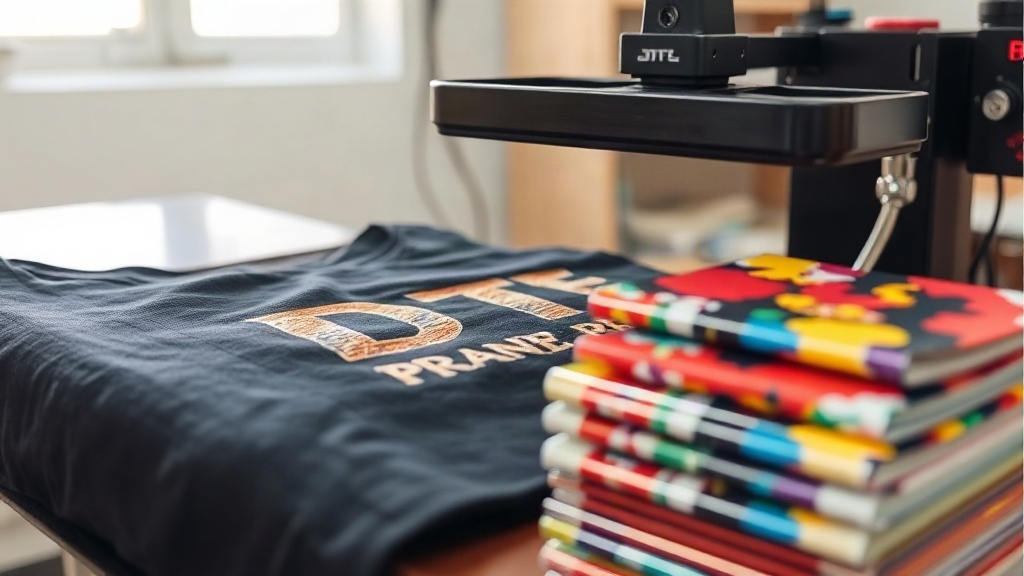
If you've been in the custom apparel game for even a short time, you've likely heard the buzz around DTF transfers. This printing method has rapidly become a favorite for creators who want vibrant, long-lasting designs without the hassle of weeding or the limitations of traditional vinyl. Whether you're a small business owner, a hobbyist, or just someone looking to customize your own gear, understanding DTF transfers can open up a world of possibilities.
What Are DTF Transfers?
DTF stands for Direct to Film. It's a printing technology where your design is printed onto a special film, coated with a thermoplastic adhesive powder, and then heat-pressed onto your fabric. Unlike DTG (Direct to Garment) which prints directly onto the shirt, DTF transfers allow you to print the design first, then apply it to a wide range of materials. This two-step process gives you incredible flexibility and consistency.
How DTF Transfers Work: A Step-by-Step Breakdown
To appreciate why DTF transfers are so effective, it helps to understand the process. Here's what happens from digital file to finished product:
- Design Preparation: Your artwork is prepared in a RIP (Raster Image Processor) software, which handles color management and ensures the white ink layer is properly set.
- Printing: A specialized DTF printer prints your design onto a PET film using CMYK inks and a white underbase. The white layer is crucial because it allows the colors to pop on both light and dark fabrics.
- Powdering: While the ink is still wet, a fine thermoplastic powder is applied to the film. This powder will act as the adhesive when heat is applied.
- Curing: The film passes through a curing oven or heat press to melt the powder, creating a dry, tack-free surface.
- Transfer: The film is then placed on your garment and heat-pressed. The heat melts the powder again, bonding the design to the fabric. Once cooled, you peel away the film, leaving a soft, stretchy print.
This process might sound complex, but the results speak for themselves. The prints are incredibly durable and can stretch with the fabric without cracking.
Why Choose DTF Transfers Over Other Methods?
There are several printing methods out there, each with its own strengths and weaknesses. So why are DTF transfers gaining so much traction? Here are the key advantages:
- No Weeding Required: Unlike heat transfer vinyl (HTV), DTF transfers don't require you to cut and weed tiny details. This saves hours of tedious work, especially for intricate designs.
- Works on Almost Any Fabric: From cotton and polyester to blends, leather, and even nylon, DTF transfers adhere well to a wide range of materials. This is a huge advantage over DTG, which works best on 100% cotton.
- Vibrant Colors on Dark Garments: The white underbase allows colors to remain bright and true, even on black or dark-colored shirts. No more dull prints!
- Soft Hand Feel: Modern DTF transfers have a very soft feel, comparable to screen printing. They don't have the plastic-y texture of some other transfers.
- Cost-Effective for Small Batches: Setting up screen printing for a small order can be expensive. DTF transfers are cost-effective even for one-off items, making them perfect for custom orders.
- Durability: When applied correctly, DTF transfers can withstand dozens of washes without fading, cracking, or peeling.
Choosing the Right DTF Transfer for Your Project
Not all DTF transfers are created equal. The quality can vary based on the printer, inks, powder, and film used. When sourcing transfers, consider the following:
Ink Quality
High-quality inks ensure vibrant colors and good washability. Look for transfers that use reputable ink brands.
Powder Type
The adhesive powder should be fine and evenly applied. Coarse powder can lead to a rough texture and poor adhesion.
Film Thickness
Thinner films tend to produce a softer hand feel, but they can be more challenging to work with. A good balance is key.
Transfer Size and Detail
DTF can handle fine details and gradients well, but extremely small text might not be as crisp as with other methods. Always request a sample if you're unsure.
How to Apply DTF Transfers Like a Pro
Applying DTF transfers is straightforward, but following the right steps ensures a professional, long-lasting result. Here's a quick guide:
- Preheat Your Heat Press: Set your press to the recommended temperature (usually around 300-325°F or 150-160°C).
- Prepress the Garment: This removes moisture and wrinkles, creating a smooth surface for the transfer.
- Position the Transfer: Place the DTF transfer on the garment with the printed side facing up.
- Press: Apply medium to firm pressure for 10-15 seconds. Check with your transfer supplier for specific settings.
- Peel: Wait a few seconds for the transfer to cool slightly, then peel the film off in a smooth, consistent motion. Some transfers are hot peel, some are cold peel; know which type you have.
- Post-Press (Optional): For extra durability, you can cover the design with parchment paper and press again for a few seconds.
With a bit of practice, you'll be able to apply DTF transfers quickly and confidently.
Common Mistakes to Avoid with DTF Transfers
Even though DTF is forgiving, there are pitfalls that can ruin your results. Watch out for these:
- Insufficient Pressure: If the pressure is too light, the transfer won't adhere properly and may peel off.
- Wrong Temperature: Too hot and you might scorch the fabric or melt the film; too cold and the adhesive won't activate.
- Not Preheating: Skipping the pre-press can lead to moisture trapped between the transfer and fabric, causing bubbling.
- Peeling Too Soon or Too Late: Follow the instructions for your specific transfer. Peeling too soon can stretch the design; too late and it might set permanently to the film.
- Washing Too Soon: Wait at least 24 hours before washing to allow the adhesive to fully cure.
DTF Transfers vs. Other Printing Methods: A Quick Comparison
To help you decide if DTF is right for your next project, here's how it stacks up against other popular methods:
- DTF vs. DTG: DTF works on more fabrics and has better color vibrancy on darks. DTG is faster for large runs on 100% cotton.
- DTF vs. Screen Printing: DTF is more cost-effective for small batches and complex designs. Screen printing is cheaper for large quantities of simple designs.
- DTF vs. HTV: DTF requires no weeding and handles gradients and fine details better. HTV is great for simple one-color designs and has a slightly different feel.
- DTF vs. Sublimation: Sublimation only works on polyester and light-colored fabrics. DTF works on almost anything and can print white.
Frequently Asked Questions About DTF Transfers
How long do DTF transfers last?
When applied correctly and cared for properly, DTF transfers can last as long as the garment itself. They are highly durable and resistant to cracking and fading. Following the wash care instructions (inside out, cold water, no bleach) will maximize their lifespan.
Can I use DTF transfers on dark shirts?
Absolutely! One of the biggest advantages of DTF transfers is that they include a white underbase, which means they show up brilliantly on dark fabrics. You don't need to worry about the color of the shirt affecting the design.
Do I need a special printer to make DTF transfers?
Yes, DTF transfers require a dedicated DTF printer that uses special inks and film. However, if you don't want to invest in the equipment, you can purchase ready-to-press DTF transfers from suppliers and apply them with a standard heat press.
What fabrics work best with DTF transfers?
DTF transfers adhere well to a wide range of fabrics, including cotton, polyester, blends, leather, and nylon. They are not recommended for fabrics with a heavy finish or waterproof coating, as the adhesive may not bond properly.
How do I wash a shirt with a DTF transfer?
Turn the garment inside out and wash in cold water on a gentle cycle. Avoid using bleach or fabric softener. Tumble dry on low or hang to dry. If ironing, do not iron directly on the transfer; use a pressing cloth or iron inside out.
DTF transfers have truly revolutionized the custom apparel industry by offering a versatile, durable, and high-quality printing solution. Whether you're a business looking to expand your offerings or a DIY enthusiast wanting to create professional-looking merchandise, DTF transfers are worth exploring. With the right knowledge and a bit of practice, you can achieve stunning results that impress your customers and keep them coming back.